.png)
A healthier, more resilient NSW starts outdoors
As NSW looks ahead to the 2027 State Election, Outdoors NSW & ACT is calling for practical investment in outdoor learning, preventive health, recreation access and the workforce that makes these experiences possible.
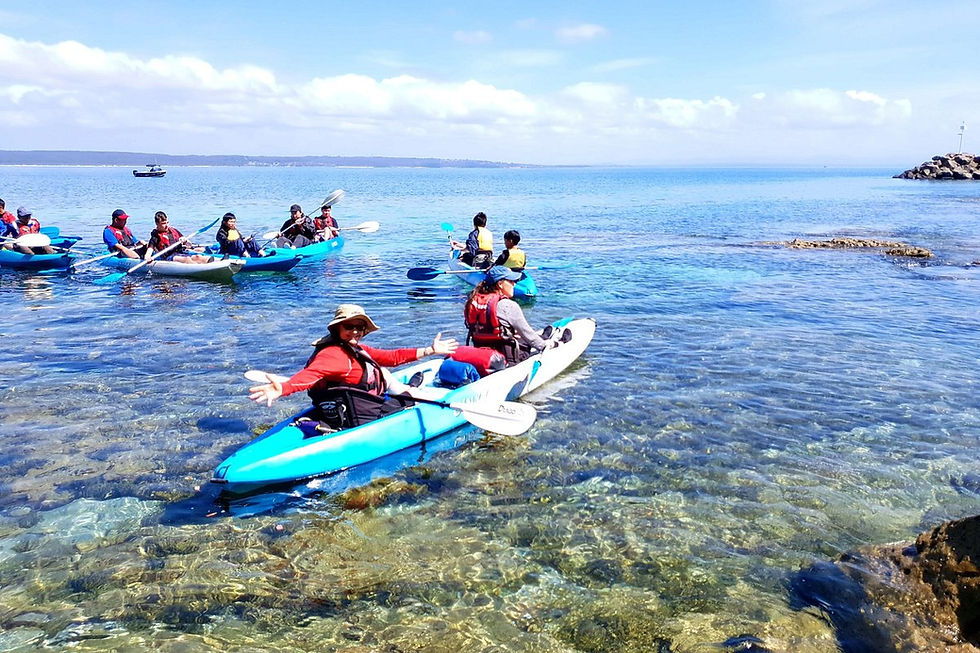
Every year, outdoor education, recreation, adventure tourism and nature therapy help more than a million children, families and adults across NSW get outside. These experiences build skills that matter throughout life: resilience, teamwork, sound judgement, environmental understanding and confidence.
But the organisations delivering them are under growing pressure. Outdoors NSW & ACT’s Outdoor Industry Census has tracked the sector over three years. The latest findings show worker turnover rising to 19.5%, while nearly half of organisations say staff shortages limit their ability to operate at capacity. Outdoor education providers are also seeing fewer expected participants, with cost identified as a major reason schools reduce or cancel camps.
With the NSW State Election approaching in March 2027, we have set out four priorities for the next NSW Government. They work together: more people need access to outdoor experiences, and the workforce and places to deliver them safely must be there too.
1. Help more students take part in school camps
Cost should not prevent students from taking part in a valuable outdoor learning experience. We are proposing a needs-based School Camps Access Fund, offering eligible students a $400 contribution towards the cost of a school camp or outdoor education program.
Delivered through schools, the fund would help families who need support while allowing schools to choose from approved providers across the sector. Our platform proposes $25 million over four years, supporting about 62,500 students participate in outdoor education.
2. Recognise outdoor participation as preventive health
Outdoor recreation can support physical and mental wellbeing, social connection and active communities. We are calling for NSW Health to invest in preventive-health initiatives that help more people participate.
This could include pilots connecting GPs and allied health professionals with outdoor recreation and nature therapy providers. We also want to see better ways we can evaluate health and cost saving outcomes. Better evidence can help inform future decisions about the role outdoor participation may play in health programs.
3. Protect recreation access as forests become parks
When state forests are converted to national parks, existing recreation opportunities can become uncertain. Mountain biking, trail bike riding, four-wheel driving and camping are part of the way many communities enjoy these landscapes.
We are proposing a Recreation Zone Guarantee for future national park establishments and future forest-to-park conversions. Recreation zones for agreed activities should be mapped and established when a park is created, rather than left unresolved until a later planning process. Community-built trail networks also need a formal model for licensing and maintenance that recognises their value to local recreation and regional tourism.
This is about planning for conservation and recreation together, and giving communities clarity about access.
4. Grow the outdoor workforce in NSW
The Census points to a substantial shortage of qualified workers across the NSW and ACT outdoor industry. ONSWACT estimates a shortfall of 5,000 to 8,000 qualified positions, with gaps concentrated in areas including Certificate IV Outdoor Leadership and Wilderness or Remote First Aid.
NSW can help address this by expanding subsidised training places in outdoor qualifications through TAFE NSW and approved private Registered Training Organisations. We are also calling for more subsidised graduate traineeships in the qualifications where shortages are greatest. Our platform proposes an indicative investment of $10–15 million over four years.
A stronger domestic training pipeline would give more people a pathway into the industry and help providers meet demand across the state.
A practical plan for a stronger outdoor sector
These proposals are grounded in three consecutive years of ONSWACT Outdoor Industry Census data and designed to complement one another. Affordable access to camps matters; so do capable providers, reliable recreation access and enough qualified workers to deliver safe, high-quality programs.
The benefits reach well beyond the outdoor industry. When people can learn, move and connect outdoors, they build capabilities that support healthier individuals and more resilient communities.
We invite the next NSW Government to work with ONSWACT, communities and outdoor providers to make these priorities part of a stronger future for NSW.


Comments